
Killerton: My Childhood Theme Park
One place. Thousands of stories.
To most people, Killerton is a National Trust estate. A beautiful Georgian house with a landscape garden, woodland walks, and one of Devon's finest fashion collections.
To me, it was my childhood theme park.
Nearly every visit included the same cast of characters: Grandad, my little sister Lucy, our wonderfully bonkers dog Bruce and me. We didn't need maps or carefully planned routes. We simply wandered.
The woods became kingdoms.
The streams became adventures.
The old walls became castles.
Every corner held the possibility of discovering something new.
Grandad had even carved his name into one of the estate's trees as a teenager, a place that would come to mean far more to our family than any of us could ever have imagined.
Looking back now, I realise that what made Killerton so magical wasn't simply the place itself, it was that every visit carried another story. There was always something undiscovered to captivate us for hours. A bag with simple snacks and a drink for the journey always felt like sitting for a banquet in the grounds of our own mansion.
Killerton wasn't somewhere we simply visited.
It became woven into our family's story.
Every season brought its own traditions.
Autumn was impossible to beat.
We'd spend hours collecting conkers to compete with, or picking chestnuts to feed the family with, our pockets growing heavier with every find. At home we'd roast the sweet chestnuts, convinced there couldn't possibly be a better way to spend an afternoon. Hours spent peeling them and getting all the bits stuck under our fingernails.
Then came Apple Day.
For me, it was the highlight of the entire year.
The heritage orchard came alive with families, demonstrations and the unmistakable smell of freshly pressed apples. We'd stand watching the volunteers working the magnificent 250-year-old cider press in the old cider barn as apples were transformed into juice and cider before our eyes. Such a simple fruit at first glace but given closer inspection their variety was mind-blowing and their transformation into juice and cider just felt like witchcraft and potion-making.
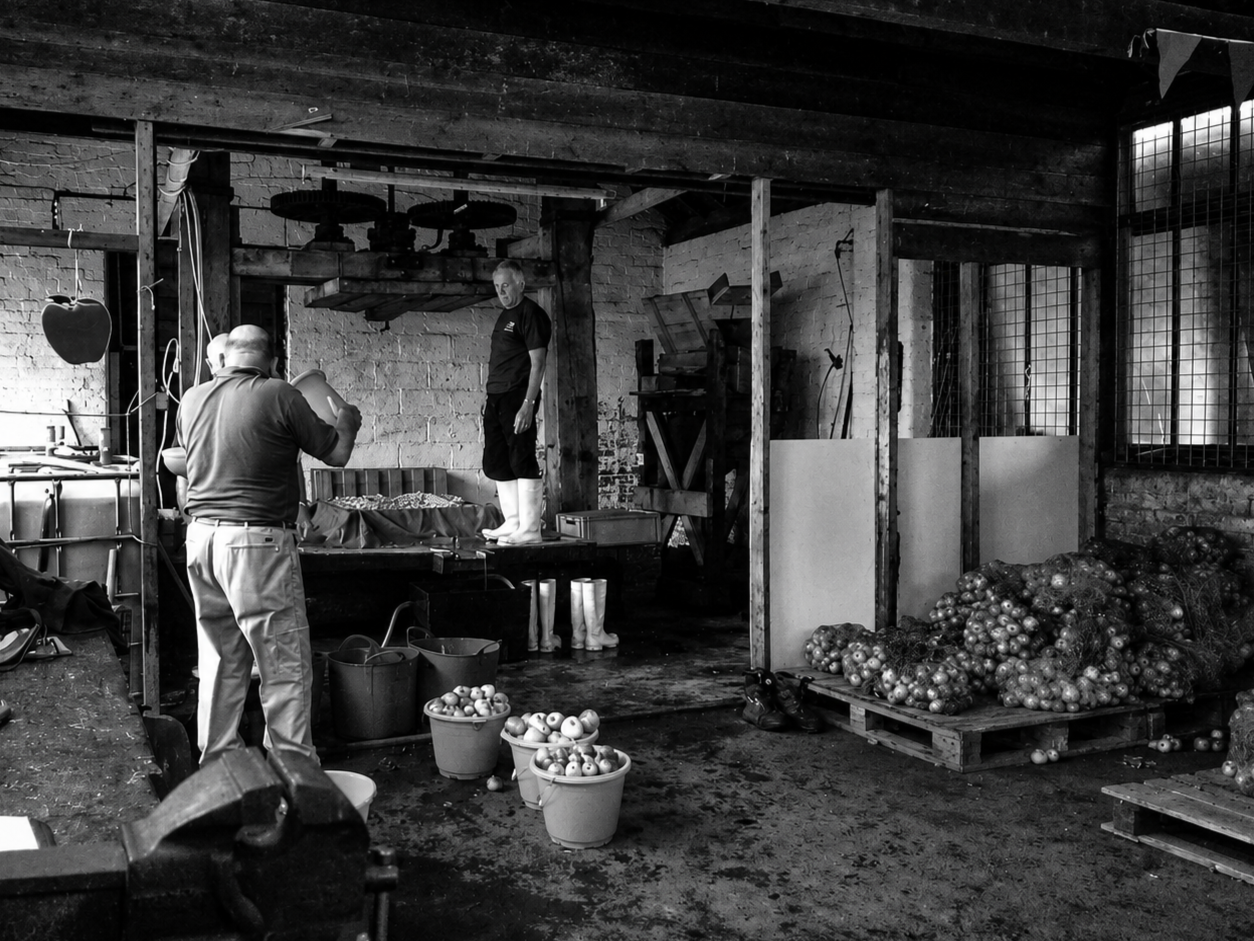
Grandad always had a soft spot for the cider. Forever a stash of bottles and a clean glass down the side of his armchair ready for an evening in front of the TV.
He often described it as nectar. Nothing could replace his love for cider. I can still hear that devilish laugh now as he enjoyed his beloved cider. It only encouraged his mischief!
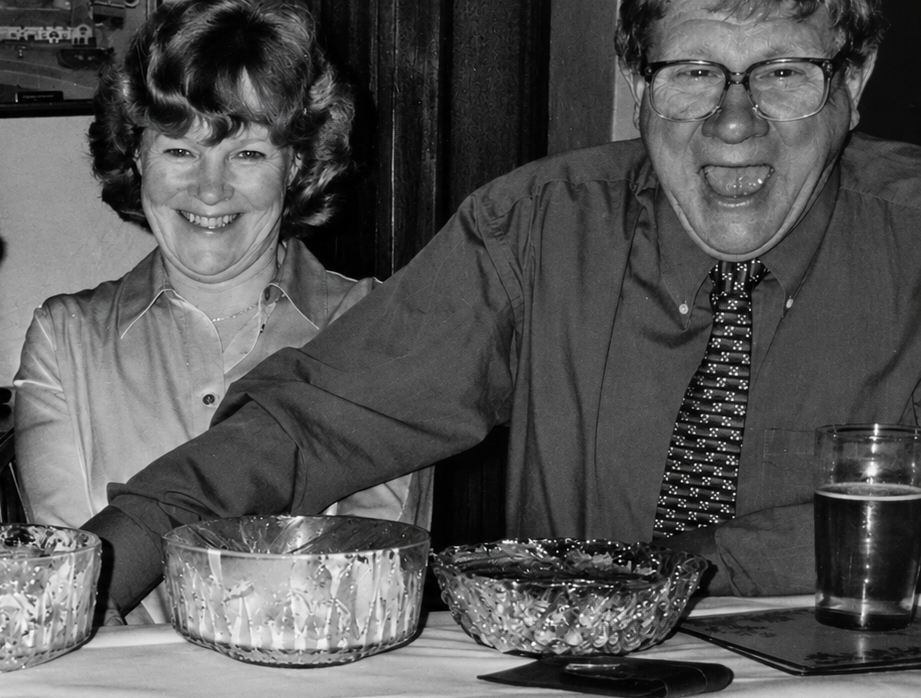
I can hear that laugh just by looking at him!
Meanwhile, I had appointed myself chief apple taste tester when we visited the Apple Day events.
Every variety deserved careful consideration. Sweet, sharp, crisp, soft, firm, I took my responsibilities incredibly seriously. Looking back, I suspect I was less of an expert than I imagined, but I loved every minute of it.
Those days felt wonderfully simple.
We weren't rushing between attractions or ticking experiences off a list.
We were simply together. Apple Day has been a staple in our family for years and the love of it has been passed onto my husband and our son.
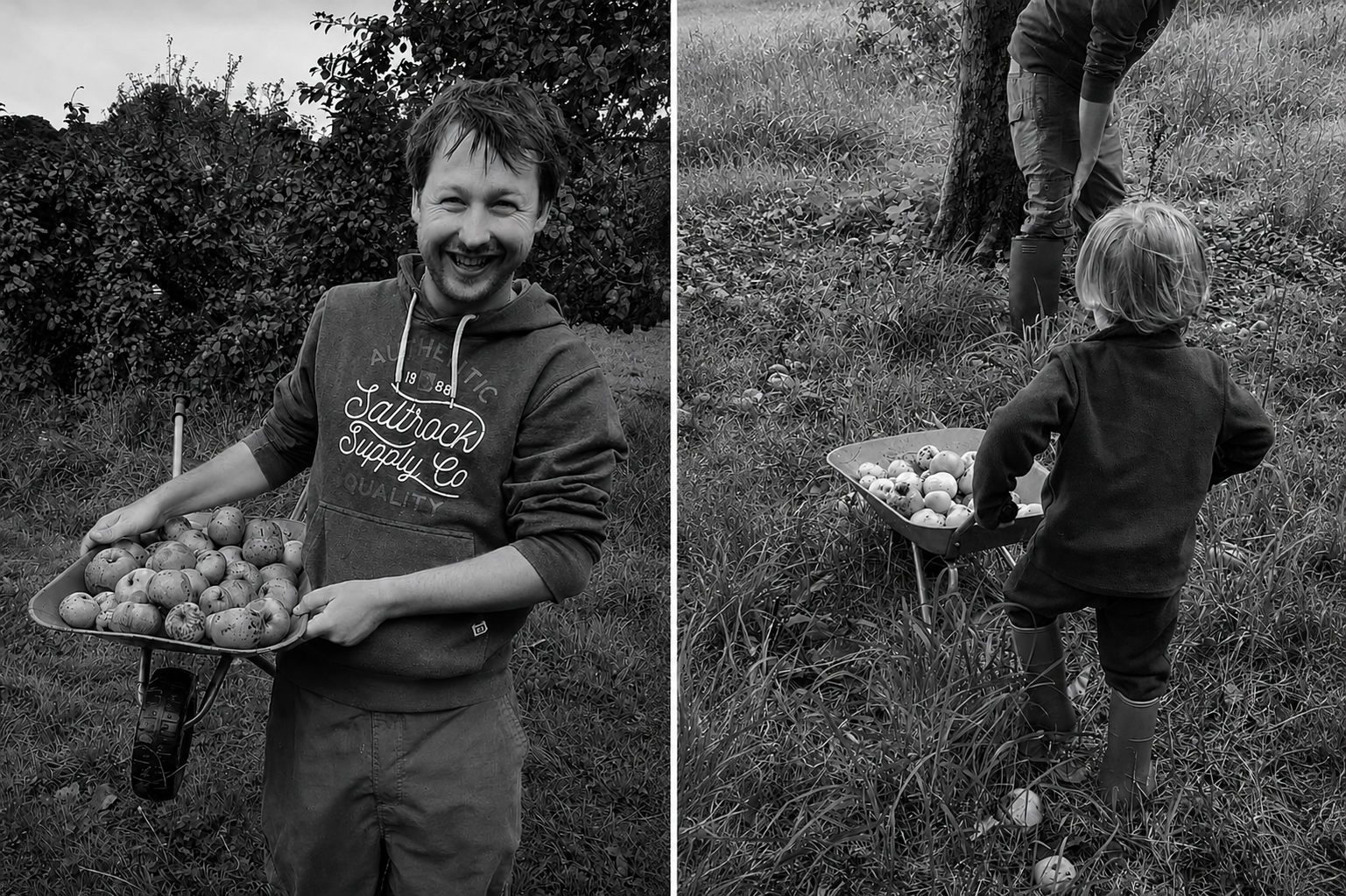
Summer brought horse trials, long walks beneath ancient trees and lazy picnics. Winter transformed the estate into somewhere quieter and almost enchanted. Every season had its own rhythm, and somehow Killerton always felt both familiar and completely different.
As a child, I never questioned the contrast that surrounded us.
Here we were, the grandchildren of ordinary Devon families, running through the grounds of a grand estate once owned by one of the wealthiest families in the county.
Grandad had grown up with very little.
Yet not once did I feel that this place belonged to somebody else. Back then there were no entry fees, not to the grounds of the estate at least.
Quite the opposite.
Killerton welcomed us. It belonged to everyone willing to walk its paths, climb its hills and lose themselves beneath its trees. In many ways, that shaped how I think about history today. Historic places aren't important simply because famous people lived there. They're important because generation after generation has made memories within them.
Children have climbed the same trees.
Families have walked the same paths.
Couples have fallen in love beneath the same oaks.
Grandparents have shared stories on the same benches.
Our lives become another layer in a place's history.
When I visit Killerton now, I still see the beautiful estate that visitors come from across the country to enjoy. But I also see Grandad laughing as Bruce tears off after another squirrel with zero sense of direction or brain power to stand a chance of catching one. God knows that dog would have struggled to catch a dead squirrel, let alone a live one.
I hear Lucy excitedly shaking a pocket full of conkers.
I smell apples being crushed into fresh juice.
I remember the feeling that anything could happen if we simply kept walking. Kept imagining. Kept looking.
Perhaps that's why Killerton still feels so special. It reminds me that heritage isn't something we preserve behind ropes and glass. It's something we live where every visit leaves another story behind and provides us with new stories to share with the next generation.
And if you know where to look, those stories never really disappear.
